
Household jobs, lifelong habits, and caring for each other
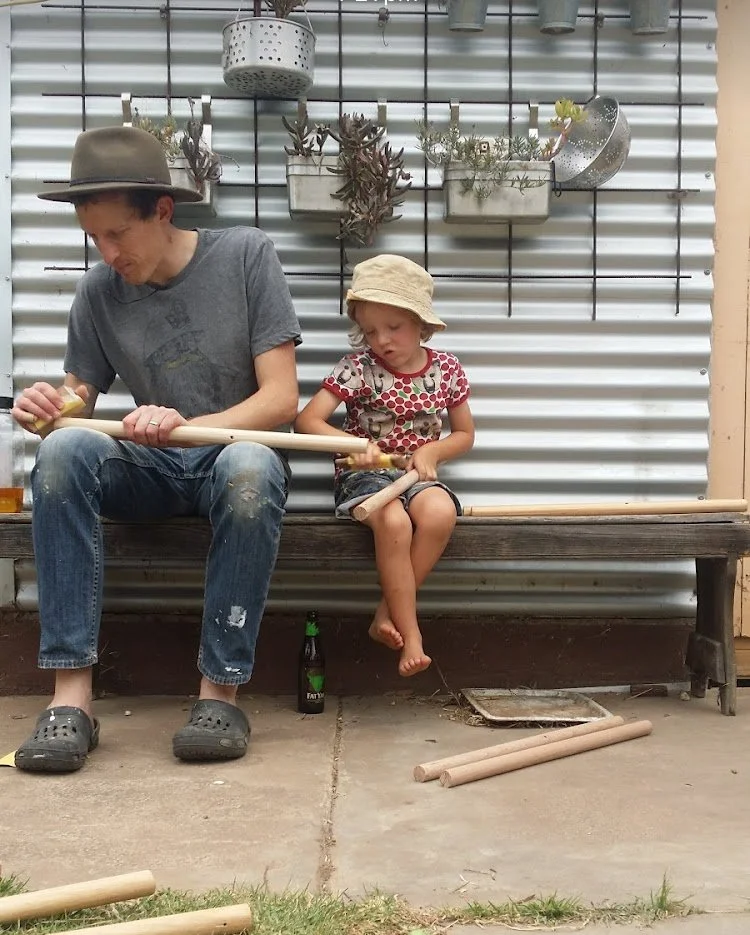
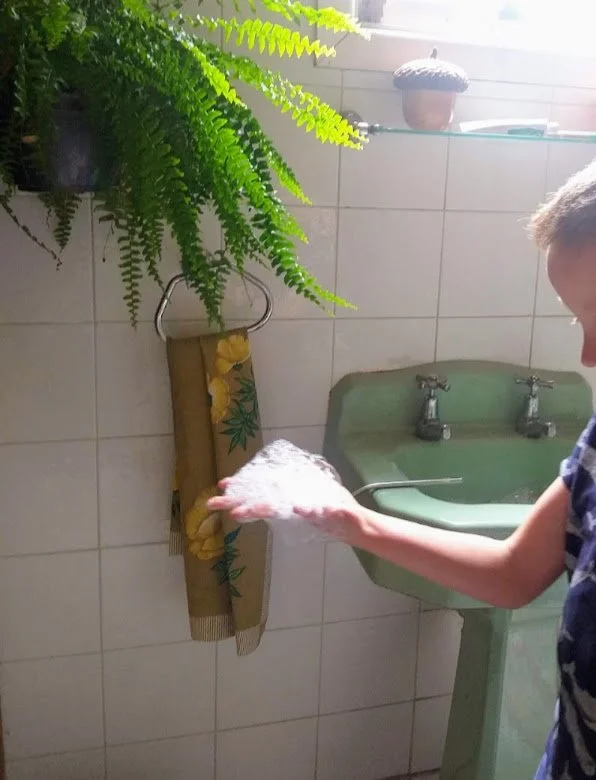
It can be a contentious issue in some households, there are jobs to be done and who is putting their hand up to do them?
Are jobs assigned, volunteered for, assumed - how does the doing of the jobs get done and who decides who does them?
Issues around household jobs are interesting to think about, such as inequity in unpaid labour, forming good habits for the future, taking pride in oneself, and stronger relationships.
Thinking about how we frame jobs in the context of a household or family can give us a good starting point as to why you might want the younger members of your family to be involved in these daily tasks.
What do you expect of different members of your household?
t
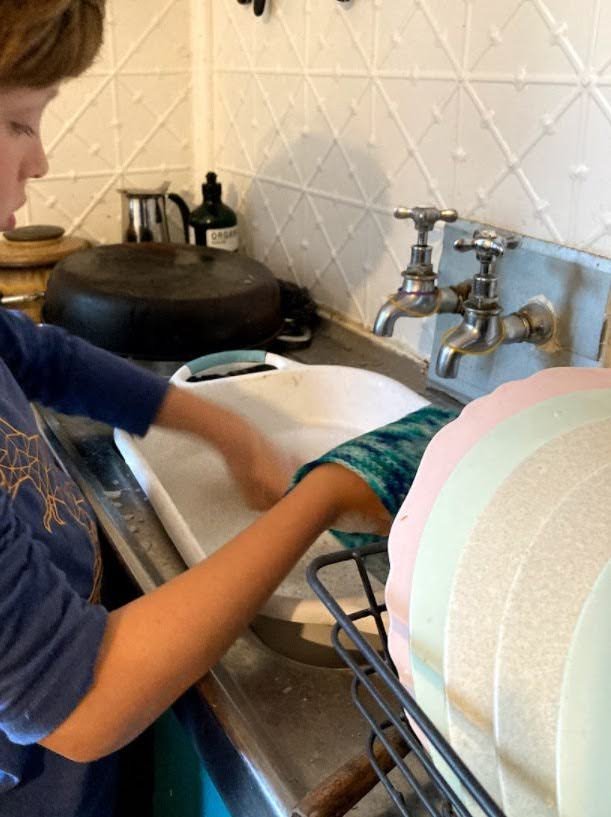
Do children do jobs as a contributor to the household or do they get paid or rewarded to do jobs?
What sort of support do children need in learning to do new jobs?
What sort of support would you like in your household as an adult?
What sort of support would you like your children to have, or provide as adults in their own home?
What happens when your child is asked to do jobs and they do not want to do them?
Is your response different depending on the gender of your child?
There’s a few lists out there giving an idea about what jobs your child can take responsibility for dependent on their age - and these are helpful at starting a conversation.
We often think about jobs as our kids helping out around the house, and even making our own load a little less!
When we rethink this with other issues in mind, it changes the purpose behind the jobs. What sort of person is my baby going to be when they grow up? Are they going to have pride in themselves? Are they going to be capable? Will they be happy with simple things in life? Will they expect and give equality of household labour in their adult relationships? How does participating in household jobs relate to issues of entitlement, graciousness, mental load, gratitude, belonging?
All of these questions help reframe reasons why we may want our children to begin to develop skills in taking on jobs in the household.
A few things that might help ease into doing jobs.
Talking about jobs - what jobs there are that need to be done.
Talking about why we might all take turns doing jobs.
Discussing what jobs are coming up that need to be done.
Talking about what help you each might need to get jobs done/learn how to do new jobs.
Making a list - ask members of the household to choose jobs.
Reminding children that we are part of a family and we help each other out.
Asking if doing household jobs can be a sign that we care for each other.
Try some jobs and see how it goes
Amongst other positive rewards, it is suggested that children who do chores have higher self esteem, are better able to cope with frustration and may have greater success in school, work or relationships.
This poem ‘Doing the Laundry’ by David Gate helps us all reimagine the mundane nature of jobs we often do not want to do and is a beautiful offering when your family are talking together and working out the jobs.
Doing the laundry
and the dishes
and meal preparation
are not tasks of the mundane because being clothed
and clean
and fed
declares the dignity of human life
and nurtures us into new days
into new eras
they are not mundane
they are the rituals of care